

Our take
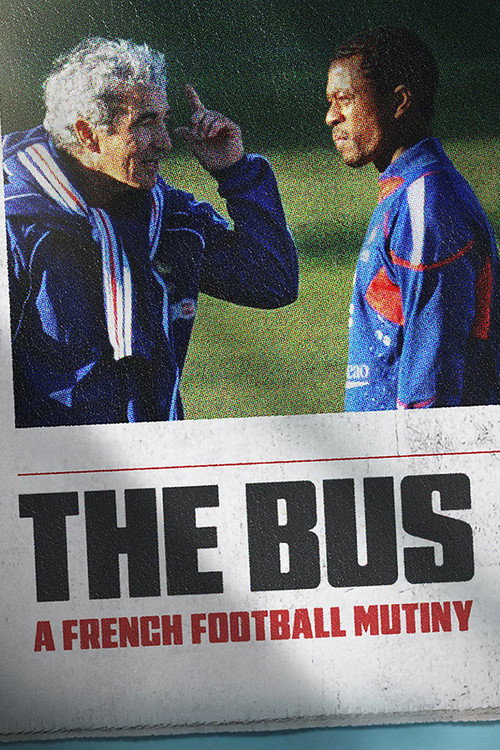
The Bus revisits the French team's 2010 World Cup meltdown through player interviews and archival news footage. Expect uncensored profanity, including the insult shouted at coach Raymond Domenech, plus discussion of racist press coverage and national backlash against mostly Black players. There is no on-field violence beyond match clips, but the emotional fallout and class tensions are mature. A solid pick for soccer fans and teens ready to talk about leadership, media bias, and who gets to tell the story
Uplifting themes
Strong lessons about listening to marginalized voices, media literacy, and standing by teammates Patrice Evra and several teammates model speaking up with honesty years after being vilified A useful documentary for teens studying sports, journalism, race, and how public narratives are built
AMU ages are independent editorial opinions. They are not legal classifications and are not issued by the Classification Board, the MPAA, or any other official classification body. Official labels on this site, such as PG or R, come from those bodies or our data sources, not from AMU. AMU guides are not a substitute for official classification. Cuts and details can differ by version. Use them as one input only. You decide what is right for your family.
Story (may spoil tone)
This documentary revisits the French football team's controversial 2010 World Cup and the bus strike that sparked global headlines and national outrage.
Details
Violence Standard soccer match footage and anthem lyrics are the only physical c…
Standard soccer match footage and anthem lyrics are the only physical conflict on screen
Language Archival clips and interviews include strong profanity, including the f…
Archival clips and interviews include strong profanity, including the famous bus-incident insult
Sex / nudity No sex found in this title
No sex found in this title
Drugs / alcohol No drugs found in this title
No drugs found in this title
Frightening Emotional intensity comes from public shaming and career damage rather…
Emotional intensity comes from public shaming and career damage rather than scary visuals
Self-harm / suicide No self-harm found in this title
No self-harm found in this title
Sexual violence No sexual violence found in this title
No sexual violence found in this title
Child peril / abuse No child peril found in this title
No child peril found in this title
Bullying / discrimination Players describe racist and classist media attacks that turned a team c…
Players describe racist and classist media attacks that turned a team crisis into a national identity fight
Gore / death / weapons No gore found in this title
No gore found in this title
Dangerous behaviour No dangerous behavior found in this title
No dangerous behavior found in this title
Eating disorders / body image No eating found in this title
No eating found in this title
Mental health Former players still carry shame and trauma from being cast as traitors…
Former players still carry shame and trauma from being cast as traitors to their country
Gambling No gambling found in this title
No gambling found in this title
Grief / bereavement Interviewees mourn careers and reputations lost after the tournament co…
Interviewees mourn careers and reputations lost after the tournament collapse
Talk after watching
- Patrice Evra and teammates finally explain the bus strike in their own words — why does that matter after years of headlines?
- How did press coverage turn a locker-room conflict into a national scandal about loyalty and race?
- Domenech comes across as a leader who protects himself first — what should a coach do when the team is under fire?
- Why didn't star striker Nicolas Anelka participate, and how does that gap shape what we can know?
- Can a team protest be both a failure of discipline and a response to unfair treatment?