

Our take
The Devil Wears Prada 2 is rated PG-13 for strong language and suggestive references. Andy, Miranda, Emily, and Nigel return for a glossy comedy about saving Runway magazine. Expect a few f-words, song lyrics with b-word, jokes about sleeping with colleagues, and revealing runway fashion. A character dies suddenly from a heart attack at a party, and Emily makes a brief suicide joke. Social drinking at galas is common. Fine for teens who enjoyed the original, with a chat about fashion-industry values
Uplifting themes
Friendship, second chances, and standing up for meaningful work run through the reunion Andy and Nigel model loyalty and integrity, even when Miranda stays formidable Touches on journalism, media disruption, and fashion labor, but stays entertainment-first
AMU ages are independent editorial opinions. They are not legal classifications and are not issued by the Classification Board, the MPAA, or any other official classification body. Official labels on this site, such as PG or R, come from those bodies or our data sources, not from AMU. AMU guides are not a substitute for official classification. Cuts and details can differ by version. Use them as one input only. You decide what is right for your family.
Story (may spoil tone)
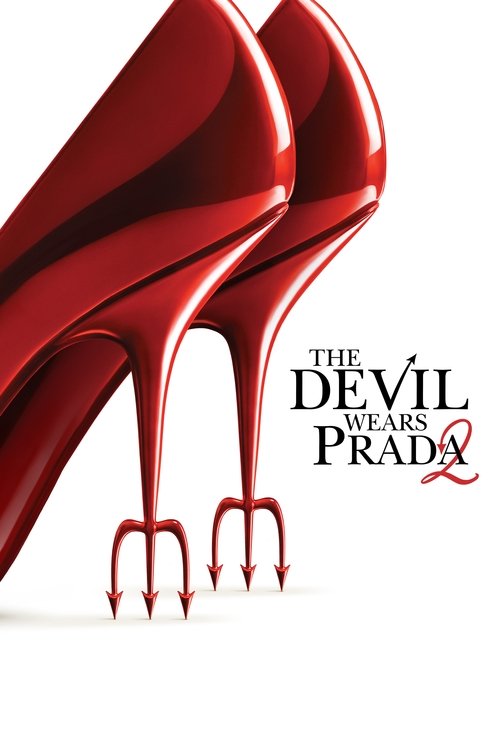
Andy Sachs returns to Runway as Miranda Priestly navigates a new media landscape and Runway's position within. The duo reconnect with former assistant Emily Charlton, now the head of a luxury brand that possesses funding which could ensure Runway's survival.
Details
Violence A man collapses and dies from a heart attack; other kill-talk is figura…
A man collapses and dies from a heart attack; other kill-talk is figurative fashion banter
Language Several f-words, s-word, b-word in dialogue and song lyrics, plus Briti…
Several f-words, s-word, b-word in dialogue and song lyrics, plus British mild oaths
Sex / nudity Innuendo about office affairs, kissing, and revealing runway fashion wi…
Innuendo about office affairs, kissing, and revealing runway fashion without explicit sex
Drugs / alcohol Champagne and cocktails flow at parties, galas, and Hamptons gatherings
Champagne and cocktails flow at parties, galas, and Hamptons gatherings
Frightening A sudden on-screen death may startle viewers, but overall tone stays li…
A sudden on-screen death may startle viewers, but overall tone stays light
Self-harm / suicide Emily jokes about suicide once in a comic, non-literal way
Emily jokes about suicide once in a comic, non-literal way
Sexual violence No sexual violence found in this title
No sexual violence found in this title
Child peril / abuse No child peril found in this title
No child peril found in this title
Bullying / discrimination Miranda's cutting remarks and body-size insults reflect fashion-world c…
Miranda's cutting remarks and body-size insults reflect fashion-world cruelty
Gore / death / weapons No gore found in this title
No gore found in this title
Dangerous behaviour No dangerous behavior found in this title
No dangerous behavior found in this title
Eating disorders / body image Fashion pressure and size comments appear, though the sequel softens Em…
Fashion pressure and size comments appear, though the sequel softens Emily's eating storyline
Mental health Work stress and media anxiety surface briefly amid the comedy
Work stress and media anxiety surface briefly amid the comedy
Gambling No gambling found in this title
No gambling found in this title
Grief / bereavement A funeral and sudden death remind characters that even glamour has limi…
A funeral and sudden death remind characters that even glamour has limits
Talk after watching
- Miranda adapts to social media while Andy fights for journalism — what skills matter in changing workplaces?
- Characters joke about sleeping with colleagues — how do power and promotion mix in real careers?
- The sequel is kinder than the original — does softer Miranda still teach useful lessons about leadership?
- A sudden death at a fashion event opens the story — how do films handle grief versus glamour?
- Product placement and luxury fashion are everywhere — how can teens think critically about what ads sell?