 HBO Max
 HBO Max Amazon Channel
Rent or buy on
HBO Max Amazon Channel
Rent or buy on
 JustWatch TV
 Apple TV Store
 Amazon Video
 Fetch TV
Our take
Lee Cronin's The Mummy is rated R for strong disturbing violent content, gore, language, and brief drug use. A missing daughter returns eight years later, but the reunion becomes a demon-possession nightmare with graphic wounds, impalements, and children harmed on both sides of the attacks. Profanity is frequent, including strong sexual slurs. Brief nudity and a drunk-stylist joke appear. This is adult horror only, teens who tolerate Evil Dead Rise-level gore are the realistic floor
Story (may spoil tone)
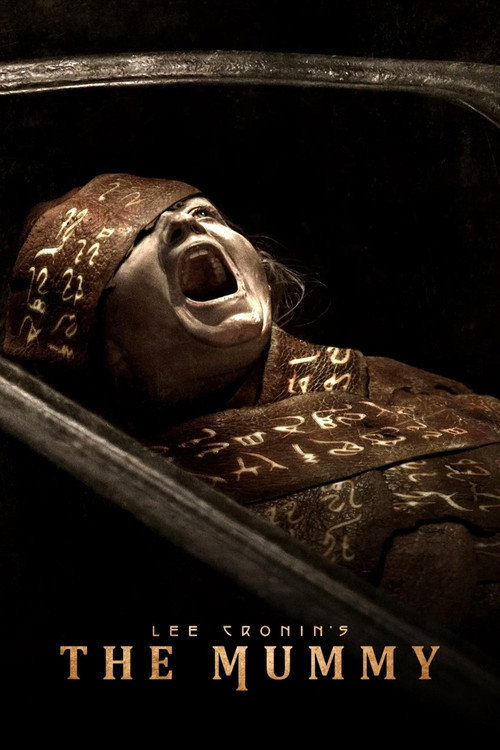
The young daughter of a journalist disappears into the desert without a trace—eight years later, the broken family is shocked when she is returned to them, as what should be a joyful reunion turns into a living nightmare.
AMU ages are independent editorial opinions. They are not legal classifications and are not issued by the Classification Board, the MPAA, or any other official classification body. Official labels on this site, such as PG or R, come from those bodies or our data sources, not from AMU. AMU guides are not a substitute for official classification. Cuts and details can differ by version. Use them as one input only. You decide what is right for your family.
Details
Violence Relentless attacks with impalements, bites, neck breakings, and childre…
Relentless attacks with impalements, bites, neck breakings, and children as both victims and attackers
Language Frequent strong profanity including f-word variants and harsh sexual in…
Frequent strong profanity including f-word variants and harsh sexual insults
Sex / nudity Brief nudity tied to body horror and a line about helping someone get u…
Brief nudity tied to body horror and a line about helping someone get undressed; kisses are minor
Drugs / alcohol The R rating cites brief drug use; a drunk-stylist joke appears in dial…
The R rating cites brief drug use; a drunk-stylist joke appears in dialogue
Frightening Possession, demonic transformation, ritual torture, and sustained jump-…
Possession, demonic transformation, ritual torture, and sustained jump-scare horror throughout
Self-harm / suicide Possessed characters sometimes harm themselves; self-inflicted injury i…
Possessed characters sometimes harm themselves; self-inflicted injury in horror set pieces
Sexual violence Dialogue briefly raises, and later rejects, sex-trafficking fears aroun…
Dialogue briefly raises, and later rejects, sex-trafficking fears around the abduction
Child peril / abuse A missing child returns changed; reviewers document grooming, ritual to…
A missing child returns changed; reviewers document grooming, ritual torture, and graphic violence involving kids
Bullying / discrimination No bullying found in this title
No bullying found in this title
Gore / death / weapons Extreme gore including flayed skin, coyote feeding, scorpion emergence,…
Extreme gore including flayed skin, coyote feeding, scorpion emergence, and bloody possession effects
Dangerous behaviour Horror set pieces are fantastical; no realistic stunts aimed at kids
Horror set pieces are fantastical; no realistic stunts aimed at kids
Eating disorders / body image No eating found in this title
No eating found in this title
Mental health Family trauma after eight years of loss underpins the possession plot
Family trauma after eight years of loss underpins the possession plot
Gambling No gambling found in this title
No gambling found in this title
Grief / bereavement A daughter vanishes for eight years; parents grapple with hope, guilt,…
A daughter vanishes for eight years; parents grapple with hope, guilt, and a reunion that turns tragic
Talk after watching
- The title says Mummy, but reviewers call it a demon-possession story. How does marketing shape what families expect?
- Katie's return should be joyful, yet the family keeps missing warning signs. When should adults trust their instincts over hope?
- Violence often involves or is committed by children. Why is that harder to watch than adult-only horror?
- Gore is presented as over-the-top shock. Does extreme violence ever deepen a story, or just test your stomach?
- Eight years of grief precede the horror. How does loss change the way a family responds to danger?