Our take
Jane Schoenbrun's R-rated queer slasher satire follows a filmmaker and a reclusive final girl spiraling through blood, sex, and meta horror. AP News confirms bloody violence, gore, graphic nudity, drug use, and sexual content. Adults only.
Uplifting themes
Rotten Tomatoes consensus calls it a bloody valentine celebrating personal self-discovery and queer identity through cinema. Cannes Queer Palm nomination signals LGBTQ+ affirmation Kris and Billy are complex queer artists navigating desire and trauma through horror. They are not conventional role models for younger viewers The film offers a meta-commentary on problematic slasher tropes, trans representation in horror, and queer filmmaking. Best as adult film-studies discussion material
AMU ages are independent editorial opinions. They are not legal classifications and are not issued by the Classification Board, the MPAA, or any other official classification body. Official labels on this site, such as PG or R, come from those bodies or our data sources, not from AMU. AMU guides are not a substitute for official classification. Cuts and details can differ by version. Use them as one input only. You decide what is right for your family.
Story (may spoil tone)
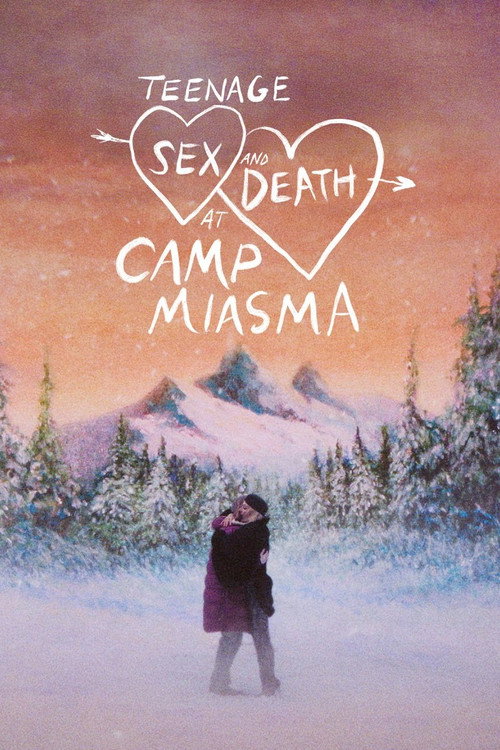
After years of slapdash sequels and waning fandom, the Camp Miasma slasher franchise is handed over to an enthusiastic young director for resurrection. But when she visits the original's star, a now-reclusive actress shrouded in mystery, the two women fall into a blood-soaked world of desire, fear, and delirium.
Details
Violence Bloody violence is explicitly cited in the R rating. The fictional Camp…
Bloody violence is explicitly cited in the R rating. The fictional Camp Miasma slasher franchise features killer Little Death on a killing spree with spear attacks. Meta sequences blur film-within-film violence with reality
Language Some language is cited in the R rating alongside heavier content catego…
Some language is cited in the R rating alongside heavier content categories
Sex / nudity Graphic nudity and sexual content are explicit R-rating reasons. Time d…
Graphic nudity and sexual content are explicit R-rating reasons. Time describes an extended sex scene in Bunk 5 where Billy coaches Kris toward orgasm as Little Death approaches. Schoenbrun calls it their most sexually direct film
Drugs / alcohol Drug use is explicitly listed in the R-rating confirmations
Drug use is explicitly listed in the R-rating confirmations
Frightening LA Times describes a meta-thriller where horror becomes a doorway to se…
LA Times describes a meta-thriller where horror becomes a doorway to sexual liberation. Slasher set pieces, killer POV shots, and surreal reality shifts create intense dread
Self-harm / suicide No self-harm found in this title
No self-harm found in this title
Sexual violence The fictional Camp Miasma franchise is described as hyper-sexualized an…
The fictional Camp Miasma franchise is described as hyper-sexualized and often transphobic. Little Death was a gender-fluid teenager bullied to death by campers. The film satirizes problematic horror tropes while staging intense power dynamics
Child peril / abuse Camp slasher genre implies teen victims, and the franchise centers on t…
Camp slasher genre implies teen victims, and the franchise centers on teenage campers. The film is explicitly adult satire rather than youth-targeted horror
Bullying / discrimination The franchise backstory features a gender-fluid teen bullied to death.…
The franchise backstory features a gender-fluid teen bullied to death. Schoenbrun was hired partly to make the transphobic premise more palatable to modern audiences, which the film itself interrogates
Gore / death / weapons Gore is an explicit R-rating reason. Little Death uses a spear; killing…
Gore is an explicit R-rating reason. Little Death uses a spear; killings occur during the slasher set pieces and meta climax
Dangerous behaviour The film blurs filmmaking, role-play, and slasher reenactment. Billy te…
The film blurs filmmaking, role-play, and slasher reenactment. Billy tells Kris a formative scene was just play even when it did not feel like play
Eating disorders / body image No eating found in this title
No eating found in this title
Mental health Schoenbrun describes the film as about getting out of your head and int…
Schoenbrun describes the film as about getting out of your head and into your body. Kris dissatisfaction in a polyamorous relationship and identity exploration through horror fandom are central
Gambling No gambling found in this title
No gambling found in this title
Grief / bereavement No grief found in this title
No grief found in this title